
Pitfalls to Avoid When Investing in Rural America
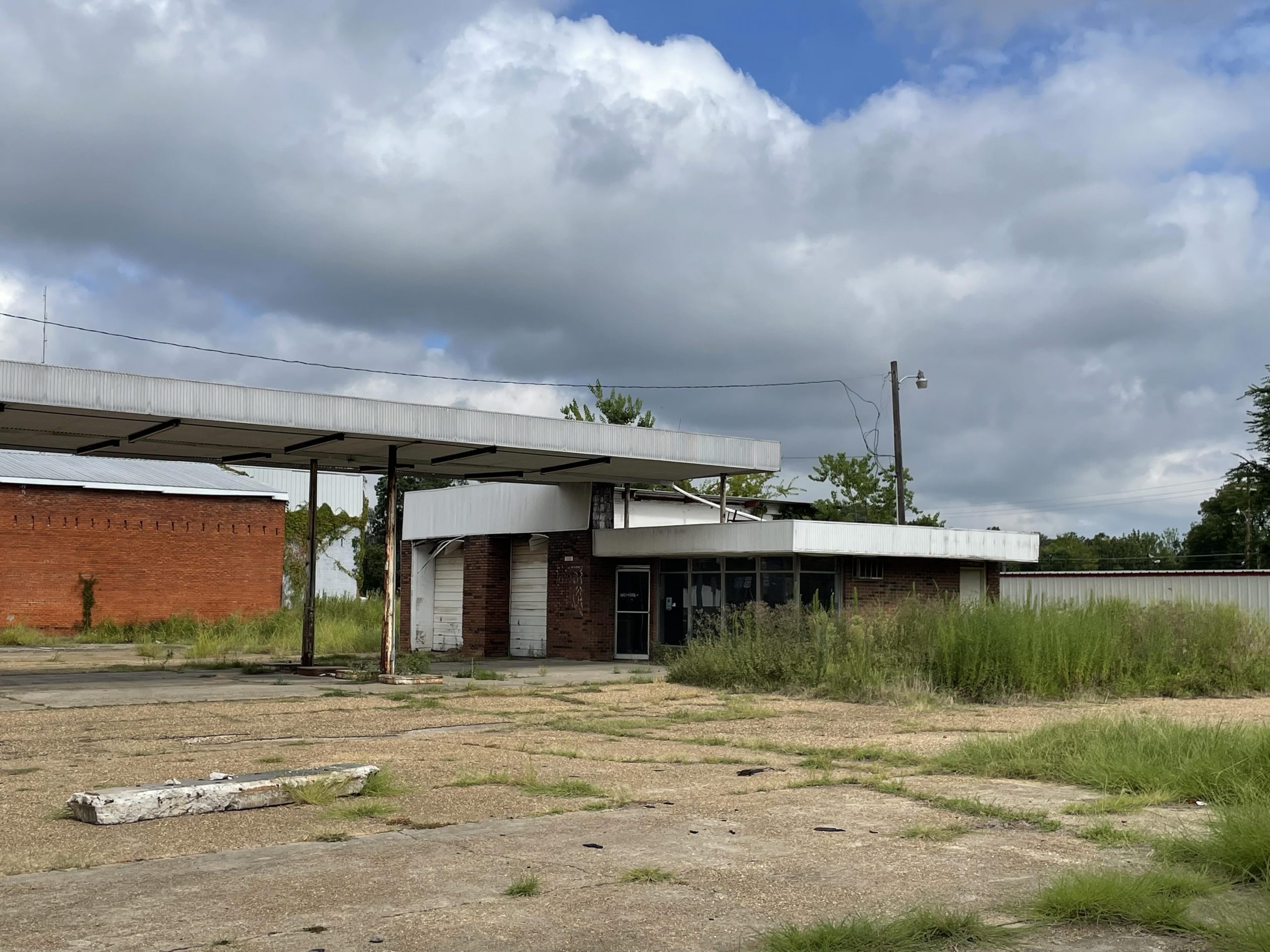
Investments in rural America are sparse. Few investors are quick to jump in. Those that do aren’t bringing services to residents. Instead, they are treating rural America like an ugly stepdaughter there to serve the rest of the family and deserving nothing for herself.
There are valid reasons for investor hesitancy. With few exceptions, rural investments historically don’t perform well. Nonetheless, understanding the reasons rural investments tend to fail can help investors succeed in this space. Welcome to Bring Back the Bustle, a podcast about revitalizing rural America. I’m Shavon Jones, your host.
Today’s episode is a guide to avoiding common pitfalls when making rural investments.
Investor Flight from Rural America
Since the economy shifted from industrial and local to knowledge-based and global, major investors have avoided or left rural America. Some companies that had been based in small markets moved to larger cities. For one example, NCR (That’s the National Cash Register company. I actually worked there for a short time. They make point-of-sale retail equipment and ATM machines.) NCR was founded in Dayton, Ohio in 1884 but relocated to the Atlanta area in 2009. Atlanta’s population is about 40 times larger than Dayton’s.
NCR had been the only Fortune 500 company with headquarters in Dayton. Its presence had helped support a minor league baseball team, the Dayton Dragons; several museums, including the Wright Brothers National Museum; Wright State University and a host of other amenities that make for a vibrant community.
You no longer see major companies being founded in or settling in rural America.
Typical Rural Investments
Today, the types of investments made in rural America are warehouses, data centers, power plants, manufacturing plants, and Walmarts. Except for Walmart, all of these businesses sell the goods and services they produce in rural America elsewhere, primarily. The companies also are headquartered elsewhere. That means their higher paying jobs are not in the rural communities. So, there is less money to trickle down to small businesses such as restaurants, plumbers, clothiers, cinemas, hotels, car dealerships and the like.
The investors are attracted to rural America’s cheap land and cheap labor. They don’t focus on the people in rural America. Instead, they provide a few low-wage jobs and do little to improve the quality of local lives.
The jobs themselves often pay so little that the employees work everyday and still need public assistance such as subsidized housing, SNAP, Medicaid, free school lunches for their children, or subsidized broadband access. Many employed rural residents receive all of those subsidies—together with the condescension of those who benefit, directly or indirectly, from their cheap labor.
Why Other Investors Pass
- The impoverished local consumer base is one reason investors overlook rural communities.
- Other reasons include the ability to get greater returns elsewhere.
- Difficulty attracting employees due to poor rural infrastructure probably rounds out the top 3 reasons to avoid rural investments.
If accurate, those are serious problems. So, why on earth would I suggest investing in rural America? For one, I do not concede that rural Americans have no disposable income to spend. To the contrary, they spend heavily on vices including gambling, cigarettes, drug addiction. Plus, a Brinks money truck comes to each rural Walmart store daily. This suggests that rural Americans have money but, perhaps, nothing interesting to spend it on. Further, rural America has a lot of old money, fortunes built after the Reconstruction in the South and during the Industrial Revolution elsewhere.
As for the second point, it is true that urban real estate investments tend to be more lucrative than rural ones. However, if you do well as an investor in an urban market, you draw more competition. But if you do well in a rural market, you can corner it. The small size of the market will discourage others from mounting a challenge. And once you corner the market, rural investments can be just as profitable as urban ones.
The third point about the rural labor market is likely true. In fact, it’s a cyclical problem. Talent moves away due to a lack of employment opportunities. Then, jobs don’t come to the region because of a lack of local talent. The chicken and egg question doesn’t apply here because we know which came first. Businesses left rural America. Then the talent left. Now there’s no talent to attract businesses.
Field of Dreams
But I believe another analogy applies—the “field of dreams” analogy. If you build it, they will come. The talent that moved away still has roots in the community. Their parents live there. Their childhood memories are there. They have established their pay rate in a place with a high cost of living. That means, if they were to move back, they’d be in a position to live the good life.
That’s why the quality-of-life real estate developments that we at the Rural Fund offer are so important. We develop the entertainment venues such as sports bars, bowling alleys, and music and comedy clubs. We provide the food items that city folks are used to finding at Trader Joe’s, Whole Foods or The Fresh Market. We deliver luxury hotel amenities such as day spas, indoor swimming pools, fitness experiences, and a fine dining restaurant for date night.
A person with rural roots will embrace finding these quality-of-life offerings at home. They’ll prefer to raise their children in a place that feels safe, the way they remember their own childhoods. Before school shootings became the norm. When a boy was a boy and a girl was a girl. When all kids studied Black History in February and the rest of American history the other months of the school year.
Rural communities still have those simple values that parents and families long for. If they can have those values without giving up all city conveniences, many of them will go for it.
Quality of life investments can work in rural America. Unless the investor makes one of the following mistakes…
5 Reasons Some Investments Fail in Rural America
The Offering Is Unspecialized. Unless you’re selling fast food, you can’t just plop a city franchise into a rural community and expect it to be embraced and patronized to the same degree as would be the case in an urban area. Rural America is a way of life. Your investment should tap into the culture and vibe of the community.
Not For Us Not By Us. FUBU (For Us By Us) was a clothing brand created by Black youth to sell to Black customers. But the analogy works with respect to rural investments as well. Rural people like doing business with their neighbors. They aren’t going to let an outsider come in and suck up all the money. Therefore, your investment should be visibly tied into the local community.
Failure to Right-Size. Investors mistakenly believe their project will not work in rural America when it is sometimes just a matter of needing to scale it down. While a rural community cannot support a Whole Foods, that doesn’t mean that a health food market with a smaller footprint would not be wildly successful in the community.
Too Small to Be Investible. Certain projects should be owned by a single investor. They don’t have enough upside to support partners or private investors. So, if you have that type of idea, do it on your own. If you plan to involve investors, you need a big idea—one that is expandable to other rural communities.
The Landlord Play. Everyone wants to be a landlord because landlords get passive income. However, the landlord play is especially risky in rural areas. Rural rents are low. Further, rural communities are dependent on very few major companies. Thus, a landlord cannot be sure that commercial or residential tenants will be able to complete the term of their leases. Therefore, rental income may not be dependable in rural markets.
How the Rural Fund Avoids Rural No-Nos
So those are 5 pitfalls to avoid if you’re going to invest in rural communities. Naturally, at the Rural Fund, we are acutely aware of these hazards. We tailor our offerings to the local communities in which we invest; we hire local management and staff; we ensure that the size of our projects is appropriate for the local population; we play the volume game by building franchise-able businesses that we retain as corporate stores; and we own the land, building, and business to max out the profit for investors.
Speaking of investors, we are in the midst of a funding round for projects in Louisiana and Oklahoma. To learn more about how you can invest with us, use this link to schedule a consultation. If you are listening to this rather than reading. There’s a link on our website www.ruralqrof.com that you can use to schedule a consultation. I’m Shavon Jones, your host. Until next time…
No responses yet